PDF

clyde’s lynn nottage script pdf

Lynn Nottage’s Clydes⁚ An Overview

Lynn Nottage’s Clydes, a poignant play, follows formerly incarcerated individuals working in a Pennsylvania truck stop’s kitchen. Their shared dream of creating the perfect sandwich fosters connection and second chances.

The Play’s Setting and Context

Clydes unfolds in the bustling kitchen of a dilapidated truck stop sandwich shop situated in Pennsylvania. The play’s setting is deeply intertwined with its themes, reflecting the economic struggles and social realities of a post-industrial American landscape. The specific timeframe, referencing the industrial decline in Reading, Pennsylvania between 2000 and 2008, positions the characters within a context of economic hardship and limited opportunities. This “rust belt” setting provides a backdrop against which the characters’ struggles with unemployment, incarceration, and the search for redemption are played out. The kitchen itself becomes a microcosm of society, showcasing both the challenges and the potential for resilience and community within a marginalized group.

The Characters and Their Stories

Clydes centers on a group of formerly incarcerated individuals working together in the truck stop kitchen. Each character grapples with their past mistakes and the challenges of reintegrating into society. The cast includes a diverse range of personalities, each with their own unique story of struggle and hope. Uzo Aduba’s portrayal highlights the complexities of a character navigating personal growth and second chances. Ron Cephas Jones and other cast members bring depth to the ensemble, illustrating the shared experiences and individual journeys of those seeking redemption and a fresh start. Their interactions reveal the power of community and the possibility of finding purpose even after facing significant setbacks. The play explores the nuances of their relationships and the impact of shared adversity on their individual paths towards self-discovery.

Themes Explored in Clydes

Clydes delves into profound themes of redemption and second chances, exploring the journeys of formerly incarcerated individuals striving for personal growth. The play highlights the importance of community and shared dreams in overcoming adversity. The characters’ collective pursuit of creating the perfect sandwich serves as a powerful metaphor for their shared aspirations and the transformative power of collaboration. The setting of a bustling truck stop kitchen underscores the everyday struggles and unexpected connections found in seemingly ordinary spaces. Nottage masterfully weaves together themes of forgiveness, resilience, and the enduring human capacity for hope amidst challenging circumstances. The play’s exploration of these themes resonates deeply with audiences, prompting reflection on personal struggles and the potential for positive change.

Accessing Clydes⁚ Legal and Illegal Means

Legitimate access to Clydes scripts involves purchasing them through authorized channels like Dramatists Play Service. Downloading pirated PDFs is illegal and harms the playwright.

Legitimate Sources for the Script

Securing a legal copy of Lynn Nottage’s Clydes script is crucial for ethical and legal reasons. Dramatists Play Service (DPS), a prominent theatrical publishing agency, is the primary authorized source. They offer both print and digital versions, ensuring royalties reach the playwright. Purchasing from DPS supports the continued creation and production of new works. Other legitimate avenues might include university libraries possessing performance rights copies or specialized theatrical bookstores. Always verify the seller’s authenticity before purchasing to avoid scams and illegal copies. Remember, respecting copyright protects artists and encourages future artistic endeavors. Supporting legitimate channels is essential for the health of the theatrical world. Unauthorized copies deprive artists of fair compensation and hinder the creation of future theatrical works. Choose legal options to support the art of theatre.

The Dangers of Pirated PDFs

Downloading pirated PDFs of Clydes carries significant risks. Firstly, it’s illegal, potentially leading to legal repercussions for both downloaders and those who distribute them. Secondly, pirated PDFs often contain incomplete, inaccurate, or poorly formatted scripts, hindering a proper understanding of the play and potentially damaging any production based on them. Furthermore, downloading from unreliable sources exposes your devices to malware and viruses. These risks outweigh any perceived benefits of free access. Supporting the playwright and publishers through legitimate channels ensures access to accurate scripts and contributes to the sustainability of the theatrical arts. Remember that purchasing authorized copies supports the artists and their work, enabling them to continue creating and sharing their stories. Choose ethical and legal options to enjoy Clydes responsibly.

Understanding the Play’s Reception

Clydes garnered praise for its powerful message, strong performances (like Uzo Aduba’s), and exploration of second chances. Critical reviews and audience response have been largely positive.

Critical Reviews and Audience Response

Critical reception of Lynn Nottage’s Clydes has been largely enthusiastic, praising its nuanced portrayal of formerly incarcerated individuals navigating life after prison. Reviewers have highlighted the play’s exploration of themes such as redemption, community, and the search for purpose. The performances, particularly that of Uzo Aduba, have received significant acclaim for their authenticity and emotional depth. Audience responses, based on available online reviews and articles, suggest a strong connection with the play’s themes of resilience and second chances. Many comment on the play’s humor and its ability to balance weighty subject matter with moments of levity and hope. The play’s ability to resonate with diverse audiences, sparking conversations about criminal justice reform and societal reintegration, has also been noted. While specific numerical data on audience response is limited in readily accessible sources, the overall sentiment points towards a positive and impactful reception.

Awards and Recognition

While specific award details for Clydes aren’t explicitly listed in the provided text snippets, the play’s success is implied by its Broadway run and the prominent actors involved, suggesting positive critical reception leading to potential accolades. Lynn Nottage’s previous Pulitzer Prize wins for Ruined (2009) and Sweat (2017) establish her reputation for creating award-worthy works, making it highly probable that Clydes received recognition within the theater community. The play’s prominent production and positive reviews suggest potential nominations or wins for best play, best direction, or acting awards from organizations such as the Tony Awards or other prestigious theater awards. Further research into theater award databases would be needed to confirm specific awards received by Clydes. The play’s inclusion in discussions of significant contemporary works further underscores its quality and potential for accolades.

Lynn Nottage’s Other Works

Nottage’s acclaimed plays include Ruined and Sweat, both Pulitzer Prize winners, showcasing her focus on working-class experiences, particularly within the Black community.

Notable Plays and Their Themes

Beyond Clydes, Lynn Nottage’s prolific career boasts several critically acclaimed plays exploring profound themes. Ruined (2009 Pulitzer Prize winner) delves into the complexities of the Congolese civil war and its devastating impact on women. The play masterfully weaves together narratives of resilience, exploitation, and the enduring strength of the human spirit in the face of unimaginable adversity. Sweat (2017 Pulitzer Prize winner), on the other hand, offers a stark portrayal of economic decline in a Pennsylvania rust belt town, highlighting the devastating effects of globalization and its impact on working-class communities, particularly the fracturing of relationships and the rise of social division. These plays, along with others like Intimate Apparel and Crumbs from the Table of Joy, demonstrate Nottage’s commitment to exploring the lives and experiences of marginalized communities with depth, nuance, and unwavering empathy.

Nottage’s Impact on American Theatre

Lynn Nottage’s influence on American theatre is undeniable. Her two Pulitzer Prizes for Drama, awarded for Ruined and Sweat, highlight her exceptional talent and the significance of her work. Nottage’s plays consistently challenge conventional narratives, giving voice to marginalized communities and exploring complex social and political issues with unflinching honesty. Her focus on the experiences of working-class Black women and the intersection of race, class, and gender has broadened the scope of American theatre, prompting vital conversations about social justice and inequality. She has inspired countless playwrights and theatre artists to confront difficult topics and to create work that is both artistically compelling and socially relevant. Nottage’s enduring legacy lies not only in her award-winning plays but also in her profound impact on the cultural landscape of American theatre.

Further Exploration of Clydes

To delve deeper, explore production histories, notable casts, and diverse interpretations of Clydes‘ themes and narrative.

Production History and Notable Casts

Clydes boasts a rich production history, beginning with its initial run at the Goodman Theatre in Chicago, showcasing the talents of Uzo Aduba and Ron Cephas Jones, two critically acclaimed actors who brought depth and nuance to their roles. The play’s Broadway debut further solidified its success, attracting significant critical attention and audience engagement. Information regarding specific dates and venues for various productions can be found through reputable theatre archives and online databases specializing in theatrical performance records. The impact of these notable casts, alongside the play’s compelling script, contributed significantly to its overall success and lasting impact on the theater world. Further research into individual productions reveals interesting directorial choices and unique set designs that enhanced the play’s themes and storytelling. The play’s journey from its initial conception to its various stage productions provides a fascinating look into the collaborative nature of theatrical creation and its ongoing evolution.

Interpretations and Analyses of the Play

Critical analyses of Clydes frequently highlight its exploration of themes like redemption, second chances, and the power of shared dreams. Scholars and critics have examined the play’s portrayal of formerly incarcerated individuals and their struggles to rebuild their lives, often focusing on Nottage’s masterful character development and dialogue. Some interpretations delve into the symbolism of the sandwich-making process as a metaphor for the characters’ collective journey towards self-discovery and reconciliation. The play’s setting in a working-class environment also prompts discussions about socioeconomic disparities and the challenges faced by marginalized communities. Academic articles and theatre reviews offer diverse perspectives, analyzing the play’s stylistic choices and thematic resonance within the broader context of contemporary American drama. These analyses enrich our understanding of Clydes’s complex layers and lasting significance.

Instructions

shelterlogic max ap canopy 10×20 instructions

ShelterLogic Max AP 10×20 Canopy⁚ Assembly Overview

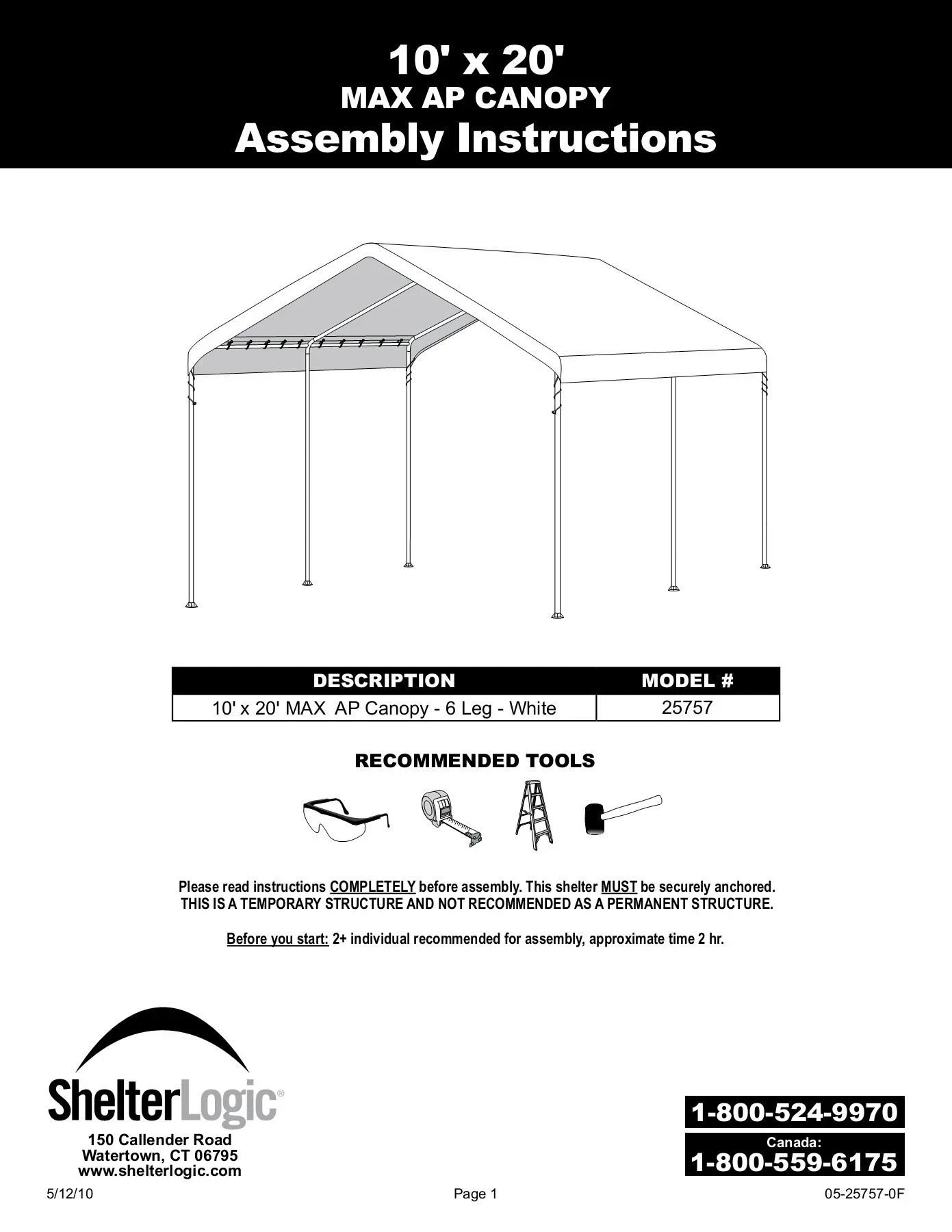
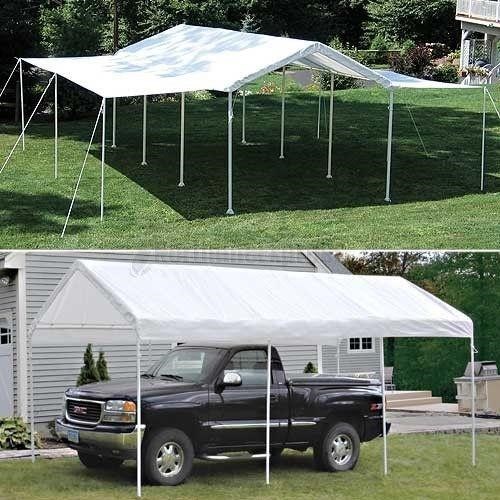
This overview details the assembly of the ShelterLogic Max AP 10×20 canopy. Instructions emphasize secure anchoring for stability. Two people are recommended for assembly, taking approximately two hours. Consult the manual for complete guidance and safety precautions.

Unboxing and Parts Identification

Begin by carefully unboxing your ShelterLogic Max AP 10×20 canopy. Inspect all components for any damage incurred during shipping. The package should contain the frame components⁚ numerous poles of varying lengths (leg poles, rafter poles, cross poles), connectors (likely 3-way and possibly other types), and fasteners (bolts, possibly bungee cords). A detailed parts list is usually included within the instruction manual; cross-reference each item against this list to ensure everything is present. Pay close attention to the differentiation between swedged tubes and standard poles; they’ll connect differently. Note the quantity of each part; discrepancies should be reported immediately to the manufacturer or retailer. Take your time during this phase; accurate identification is crucial for smooth and efficient assembly. Organize the parts neatly according to type and length before proceeding. Having all components accounted for and organized saves time and prevents frustration later. Proper identification now will mean a simpler assembly process.

Frame Assembly⁚ Connecting Poles and Connectors

Frame assembly commences with connecting the leg poles, using the provided connectors. These are typically three-way connectors, creating the foundational structure. Carefully align the poles within the connectors, ensuring a snug and secure fit. Some models might utilize bolts or other fasteners for added strength; follow the instructions precisely for your specific model. Once the leg poles are connected, begin assembling the roof frame. This involves attaching the rafter poles and cross poles to the leg pole assembly using the appropriate connectors. Pay close attention to the diagram in your instruction manual to ensure the correct orientation and placement of each component. Each connection should be firm and stable. If any connections feel loose or unstable, recheck your work and ensure correct alignment. Work methodically, one section at a time, to avoid confusion. Don’t rush the process; taking your time to ensure each joint is secure will prevent instability in the finished structure. Refer to the diagrams frequently to maintain accuracy throughout this crucial step of the frame’s construction.

Roof Frame Construction⁚ Securing Rafters and Cross Poles

Constructing the roof frame involves securely attaching the rafters and cross poles to the assembled leg poles. Begin by connecting the rafters to the top of the leg poles, using the designated connectors. These rafters provide the primary support for the canopy’s cover. Ensure each rafter is firmly connected and aligned correctly; refer to the diagrams in your instruction manual for precise placement. Next, attach the cross poles to the rafters. These cross poles add structural integrity and stability to the roof frame. The connection method will vary depending on your model; some use swedged tubes, while others may use bolts or other fasteners. Again, ensure each connection is secure and aligned properly according to your instruction manual. Once all rafters and cross poles are connected, carefully inspect the entire roof frame for any loose connections or misalignments. If any issues are detected, address them immediately before proceeding. A stable and well-constructed roof frame is crucial for the overall stability and longevity of your canopy. Take your time and double-check each connection to ensure a secure and reliable structure.

ShelterLogic Max AP 10×20 Canopy⁚ Cover Installation

This section details attaching the polyethylene cover to the assembled frame using bungee cords and fasteners. Ensure a tight and proper fit for optimal weather protection and canopy longevity.

Attaching the Cover⁚ Using Bungee Cords and Fasteners

Begin by carefully laying the polyethylene cover over the assembled frame. Ensure the cover is properly aligned with all sides of the canopy frame. The cover should be centered and free of wrinkles or bunching. Next, locate the bungee cords and fasteners included with your ShelterLogic Max AP 10×20 canopy. These are typically strategically placed around the perimeter of the cover and designed to easily attach to corresponding points on the canopy frame. Starting at one corner, begin attaching the bungee cords, ensuring a snug fit but avoiding over-tightening, which could damage the fabric. Work your way around the entire perimeter of the canopy, consistently securing the bungee cords to their designated points on the frame. Pay close attention to the corners to ensure that the cover is taut and properly secured. If there are any wrinkles or loose areas, readjust accordingly. Once all bungee cords and fasteners are secured, step back and visually inspect the entire cover for any gaps or areas that need further adjustment. The goal is to create a tight, even fit that fully protects against the elements. Remember, a loose cover can lead to damage from wind and weather.

Securing the Cover⁚ Ensuring a Tight and Proper Fit

After attaching the cover using bungee cords and fasteners, a crucial step is to double-check for a tight and proper fit. A loose cover is vulnerable to wind damage and won’t provide optimal weather protection. Begin by walking around the perimeter of the canopy, carefully examining the attachment points. Ensure each bungee cord is securely fastened and that there’s no slack. Gently tug on various sections of the cover to assess its tautness. If any areas appear loose or wrinkled, carefully readjust the bungee cords to eliminate slack. Pay particular attention to the corners, ensuring they are snug and free of any bunching. For particularly windy conditions, consider using additional securing methods, such as weights or straps, to further reinforce the cover’s stability. Remember, the longevity and performance of your canopy depend significantly on a properly secured cover. Taking the time to ensure a tight fit will protect your investment and provide reliable shelter for years to come. A well-secured cover is essential for optimal weather protection and increased canopy lifespan. Therefore, dedicate time to this critical final step.

Additional Accessories and Upgrades

Enhance your ShelterLogic Max AP 10×20 canopy with optional accessories. These include extension kits, enclosure kits, and screen enclosure kits, providing expanded functionality and weather protection.

Extension Kit Installation⁚ Expanding Canopy Coverage

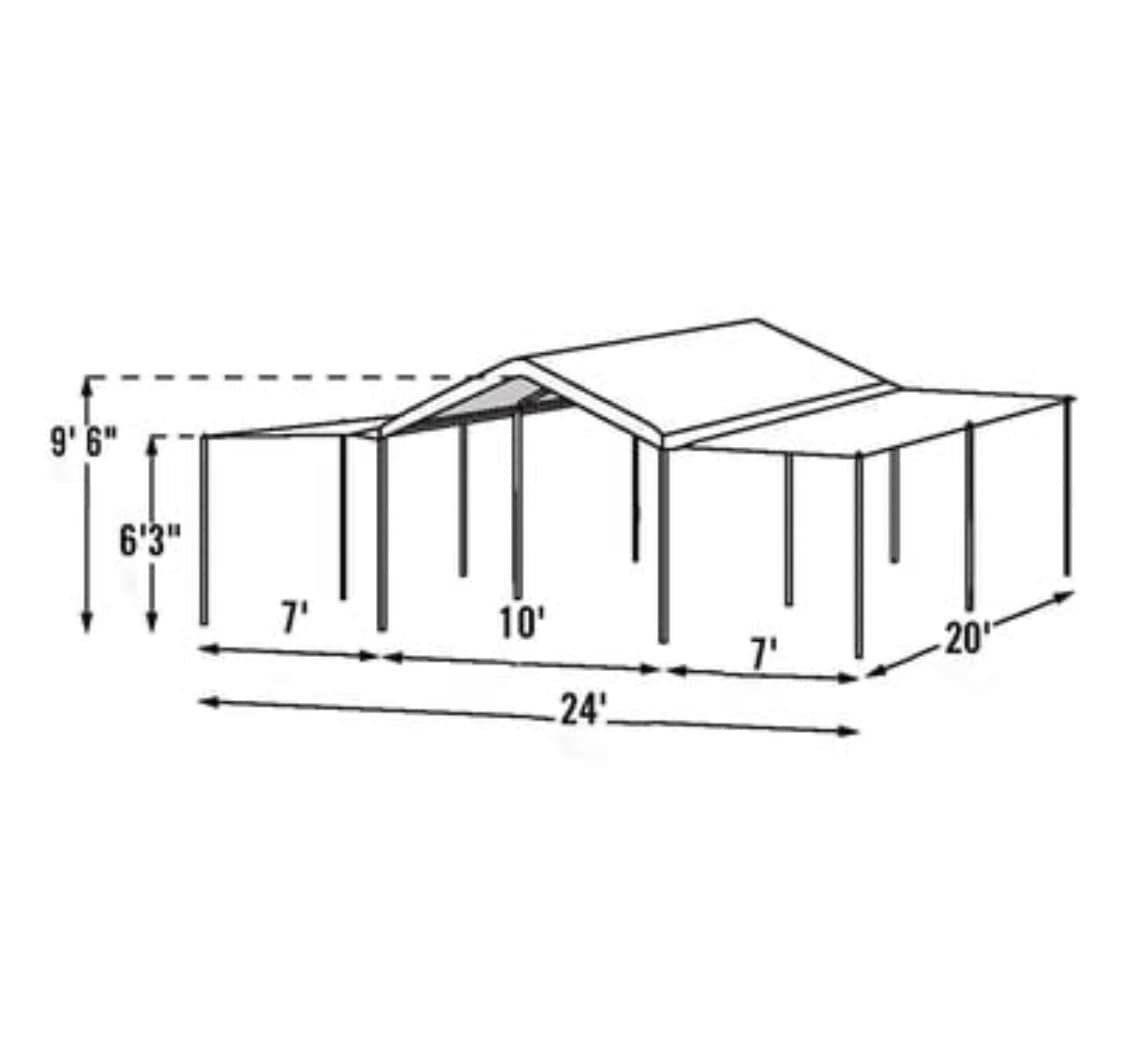
Expand the ShelterLogic Max AP 10×20 canopy’s coverage with the readily-available extension kit. This accessory significantly increases the canopy’s footprint, providing additional shade or shelter space; The installation process typically involves attaching the extension components to the existing frame using the provided hardware. Before starting, carefully review the included instructions, ensuring you have all necessary tools. The extension kit usually consists of additional poles, connectors, and possibly fabric panels, depending on the specific kit. Precisely align the new poles with the existing frame, securing them firmly with the supplied bolts and connectors. Pay close attention to the instructions for proper alignment and connection points to ensure structural integrity and stability. Once the frame extension is complete, attach any additional fabric panels, securing them using bungee cords or other fasteners. Always check for a snug fit to prevent sagging or flapping. After installation, ensure all connections are secure and the extended canopy is stable before use. This extension significantly boosts the utility of your canopy, ideal for larger gatherings or extended coverage needs. Remember to always anchor the extended structure securely to prevent damage or injury.

Enclosure Kit Installation⁚ Creating an Enclosed Shelter

Transform your ShelterLogic Max AP 10×20 canopy into a fully enclosed shelter with the ClearView Enclosure Kit; This versatile accessory adds walls and windows, providing enhanced privacy and protection from the elements. The installation is generally straightforward, but careful attention to the instructions is crucial. Begin by laying out all the enclosure kit components, ensuring you have all the necessary parts. The kit typically includes fabric panels with windows, and connecting hardware such as bungee cords or clips. Attach the fabric panels to the existing canopy frame, following the manufacturer’s instructions precisely. Ensure proper alignment to maintain the structure’s integrity and prevent gaps. Pay close attention to the window placement, ensuring they are correctly positioned and secured. The installation might require two or more people for easier handling and secure fastening of the panels. Once all panels are attached, carefully check for any loose areas or gaps. Adjust as necessary to ensure a tight, weather-resistant seal. After installation, thoroughly inspect the enclosure for any potential weaknesses or points of entry for wind or rain. This enclosed structure offers increased versatility, perfect for creating a protected area for various activities or storage. Always adhere to the manufacturer’s guidelines for safe and secure anchoring of the fully enclosed canopy.

Screen Enclosure Kit Installation⁚ Adding Insect Protection

Enhance your ShelterLogic Max AP 10×20 canopy with the Screen Enclosure Kit, creating a haven free from pesky insects. This kit provides a mesh screen enclosure, allowing airflow while keeping out bugs. Before beginning, carefully review the instructions provided with the kit. Ensure you have all necessary components, including the mesh panels, fasteners (likely bungee cords or clips), and any additional hardware. Start by laying out the screen panels, matching them to the corresponding areas of your canopy frame. Pay attention to the orientation of zippers or closures, if included, for easy access. Attach the screen panels to the canopy frame, working systematically around the perimeter. Secure each panel firmly using the provided fasteners, ensuring a snug fit to prevent gaps. Take your time, especially around corners and joints, to maintain a tight and even installation. If zippers are involved, ensure they operate smoothly after installation. Inspect the entire screen enclosure for any loose areas or tears in the mesh. Address these immediately to maintain the effectiveness of the insect barrier. Once complete, your 10×20 canopy transforms into a screened-in shelter, ideal for outdoor events, camping, or simply relaxing in bug-free comfort. Remember to always follow the manufacturer’s recommendations for proper setup and maintenance of the screen enclosure.

Guide

female led relationship guide

Understanding Female-Led Relationships (FLRs)

Female-led relationships (FLRs) involve a woman assuming the primary decision-making role, often exhibiting a more dominant persona. This dynamic can manifest in various aspects of the couple’s life, including finances and intimacy. Open communication is crucial for success.

What is a Female-Led Relationship?

A Female-Led Relationship (FLR) is a type of partnership where the woman takes the primary role in decision-making and often exhibits a dominant persona. This isn’t necessarily about strict control but rather a shift in traditional power dynamics. The woman might manage finances, household tasks, or take the lead in setting relationship goals. The man’s role isn’t passive; it involves active participation and support, often embracing a more submissive or compliant role within the agreed-upon structure. Crucially, mutual respect, trust, and open communication are vital for a successful FLR. It’s important to emphasize that consent and shared understanding are foundational; FLRs are not about coercion or dominance without agreement. The specific manifestation of an FLR varies widely depending on the couple’s preferences and negotiated boundaries.

Common Misconceptions about FLRs

Many misunderstandings surround Female-Led Relationships (FLRs). One common misconception is that FLRs equate to domination or control without consent. In reality, successful FLRs are built on mutual respect and agreement, with clearly defined roles and responsibilities negotiated by both partners. Another misconception is that the male partner is entirely passive. While the woman often takes the lead in decision-making, the man plays an active role, contributing his perspectives and participating fully in the relationship. The idea that FLRs are inherently unstable or less fulfilling is also inaccurate. Like any relationship, success hinges on communication, trust, and mutual commitment. Finally, FLRs are not solely about sexual dynamics, although sexuality can be a component. The core of an FLR is a partnership where power dynamics are consciously redefined and mutually agreed upon.

Establishing Guidelines for a Successful FLR

Open communication, clearly defined roles, and mutual respect are fundamental for a thriving FLR. Establish shared expectations and decision-making processes to ensure both partners feel valued and secure.

Defining Roles and Responsibilities

Clearly defining roles and responsibilities is crucial for a successful female-led relationship (FLR). This doesn’t necessarily mean a rigid division of labor, but rather a mutual understanding of each partner’s contributions and areas of expertise. Openly discussing expectations regarding household chores, financial management, and decision-making processes is essential. The goal is to create a balanced partnership where both individuals feel valued and respected, regardless of who holds the primary decision-making power. Some couples might opt for a traditional division of labor, while others might adopt a more fluid approach based on individual strengths and preferences. Regular check-ins and adjustments to the established roles are important, as the dynamics of the relationship evolve over time. Transparency and honesty are paramount in negotiating these roles, ensuring both partners feel heard and respected in their contributions to the relationship.

Effective Communication Strategies

Open and honest communication forms the bedrock of any successful relationship, especially in a female-led dynamic. Partners should prioritize active listening, ensuring they fully understand each other’s perspectives before responding. Regular check-ins, dedicated time for discussions, and utilizing “I” statements to express feelings without blame are vital. Creating a safe space where both partners feel comfortable expressing their needs and concerns without judgment is crucial. This may involve establishing ground rules for respectful disagreements, focusing on understanding rather than winning arguments. Nonverbal communication, including body language and tone of voice, should also be considered, ensuring congruence between words and actions. Regular affirmations of appreciation and affection, both verbal and physical, contribute to a strong emotional connection, fostering a healthy and thriving relationship built on mutual understanding and respect.

Negotiating Decision-Making Processes

Establishing clear decision-making processes is paramount in a female-led relationship (FLR). Openly discussing preferences and expectations regarding who takes the lead on different matters is essential. This might involve creating a shared decision-making chart or assigning specific areas of responsibility to each partner. Compromise and collaboration are key; while the woman holds the primary decision-making power, input from the male partner should be valued and considered. Regular reviews of the established processes are vital to ensure they remain equitable and effective as the relationship evolves. Flexibility is important; adjustments to the decision-making structure should be made as needed to accommodate changing needs and circumstances. The goal is to create a system that promotes mutual respect, ensures both partners feel heard and valued, and ultimately strengthens the relationship.

Navigating Challenges in FLRs

Successfully navigating FLR challenges requires open communication, mutual respect, and a willingness to compromise. Addressing power imbalances and handling conflicts constructively are crucial for long-term success.

Addressing Power Dynamics

Power dynamics in female-led relationships (FLRs) require careful consideration and open communication. The woman’s dominant role shouldn’t be interpreted as absolute control or oppression; rather, it’s about a shared understanding of roles and responsibilities. Establishing clear boundaries is vital to prevent misunderstandings or feelings of imbalance. Regular check-ins about how the power dynamic feels for both partners are essential. It’s important to ensure that the dominant partner’s desires are respected, but equally important to prevent any coercive or abusive behavior. The submissive partner’s comfort and agency must always be prioritized. Open dialogue about concerns, needs, and desires should be a regular part of the relationship’s maintenance. This ensures that the power dynamic remains consensual, respectful, and mutually fulfilling. Healthy FLRs thrive on mutual respect and understanding, not on coercion or control. A successful FLR fosters a partnership where both individuals feel heard, valued, and respected within the agreed-upon power structure.

Maintaining Mutual Respect and Trust

In any relationship, mutual respect and trust are foundational, but in a female-led relationship (FLR), these elements are especially crucial. Respect involves valuing each partner’s opinions, feelings, and boundaries, regardless of the power dynamic. The dominant partner should actively listen to and consider her partner’s perspective, even if she ultimately makes the final decision. The submissive partner, in turn, should show respect for the dominant partner’s leadership and decisions. Trust is built through consistent honesty, transparency, and reliability. Both partners must feel safe expressing their needs and concerns without fear of judgment or reprisal. Open communication is key to fostering trust, allowing for the discussion of any concerns or issues that might arise. Active listening and empathy are vital tools to maintain trust and prevent misunderstandings. Regular affirmation and appreciation of each other’s contributions strengthen the bond and reaffirm the mutual respect central to a successful FLR. A strong foundation of respect and trust allows the relationship to navigate challenges and grow stronger over time.

Handling Conflicts and Disagreements

Disagreements are inevitable in any relationship, and FLRs are no exception. However, the power dynamic requires a thoughtful approach to conflict resolution. Open and honest communication is paramount. Partners should express their concerns calmly and respectfully, avoiding accusatory language or personal attacks. Active listening is crucial; each partner should strive to understand the other’s perspective before offering their own. Compromise is key; finding solutions that satisfy both partners, even if it means adjusting the usual power dynamic in specific instances, is vital. It’s important to establish clear communication guidelines beforehand, defining how disagreements will be addressed and resolved. This might involve setting aside specific times for discussion or agreeing on a process for de-escalation when emotions run high. Seeking external help, such as couples counseling, can be beneficial if conflicts persist or become unmanageable. Remember, the goal is not to “win” an argument but to find a resolution that strengthens the relationship and maintains mutual respect. A successful FLR requires both partners to be willing to work collaboratively through disagreements, reinforcing the foundation of trust and understanding.

Benefits and Drawbacks of FLRs

FLRs can offer increased female empowerment and fulfillment of specific male submissive desires. However, potential drawbacks include power imbalances and challenges to traditional gender roles requiring careful navigation.

Potential Benefits for Both Partners

For women, a female-led relationship (FLR) can offer a sense of empowerment and control, allowing them to express their dominance and take the lead in decision-making processes. This can lead to increased self-confidence and a stronger sense of self. The dynamic may also provide a fulfilling outlet for women who enjoy taking charge. For men, an FLR can provide a unique and satisfying experience, allowing them to explore their submissive side and relinquish decision-making responsibilities. This can lead to reduced stress and anxiety associated with typical relationship dynamics, fostering a sense of security and comfort in their role. The experience can also increase intimacy and connection through a different power dynamic, enhancing mutual satisfaction and emotional fulfillment in the relationship. Open communication and mutual respect remain key to realizing these potential benefits.

Potential Challenges and Considerations

Navigating a female-led relationship (FLR) presents unique challenges. Societal norms often clash with this dynamic, potentially leading to external judgment or misunderstanding from family, friends, or colleagues. Internal conflict can arise if partners struggle to adapt to the power imbalance or fail to establish clear boundaries and expectations. Maintaining a healthy balance of power is crucial to prevent resentment or feelings of inadequacy. Pre-existing gender roles and expectations can influence the dynamics, requiring both partners to actively challenge and redefine those roles. Open and honest communication about needs and desires is essential to address potential issues proactively and adjust the relationship structure as needed to ensure a mutually beneficial and fulfilling experience. Ignoring these challenges can lead to relationship instability.

Long-Term Sustainability of FLRs

Maintaining a thriving FLR requires consistent effort, open communication, and adaptability. Regular check-ins and willingness to adjust dynamics are key to long-term success and satisfaction for both partners.

Maintaining Passion and Intimacy

Sustaining intimacy in a female-led relationship (FLR) requires conscious effort and open communication from both partners. While the woman may hold the dominant role in decision-making, maintaining a strong emotional connection and sexual spark is crucial. Regular date nights, thoughtful gestures, and prioritizing quality time together can help keep the romance alive. Exploring new ways to connect intimately, both emotionally and physically, is essential. This could include trying new activities together, engaging in open and honest conversations about desires and fantasies, or simply carving out uninterrupted time for physical affection. Remember that intimacy isn’t solely about sex; it encompasses emotional closeness, shared experiences, and mutual respect. Openly discussing each other’s needs and preferences, without judgment, is vital for a fulfilling and lasting intimate connection within the FLR dynamic. Incorporating elements of surprise and spontaneity can also add a spark to the relationship, preventing it from becoming predictable or stagnant.

Adapting to Changing Needs and Dynamics

Long-term success in any relationship hinges on adaptability, and female-led relationships (FLRs) are no exception. Over time, individual needs and desires may evolve, requiring adjustments to the established power dynamic and roles. Open communication remains paramount; partners should regularly check in with each other to ensure the existing framework still aligns with their current needs and emotional states. Flexibility is key; a rigid adherence to initial agreements could stifle growth and lead to resentment. Significant life events, such as career changes, financial shifts, or the arrival of children, can significantly impact the relationship dynamic, necessitating a reevaluation of roles and responsibilities. The willingness to compromise and negotiate new arrangements, while maintaining mutual respect and understanding, is crucial for navigating these transitions successfully. Regularly revisiting and adjusting the rules and expectations of the FLR is not a sign of weakness but a testament to the couple’s commitment to a healthy and evolving partnership.